Exploring the Depths of Korean Mental Health: Strategies for Psychological Wellness and Effective Counseling Techniques
In the ever-evolving landscape of mental health, understanding the intricacies of psychological wellness across cultures is crucial. In Korea, where traditional values intertwine with modern psychology, the approach to mental health can offer unique insights. The journey toward a healthier mind often begins with expert counseling that resonates with the cultural ethos. This article dives deep into effective counseling techniques in Korean mental health, revealing not just methods, but also the rich tapestry of Korean psychological studies that inform them.
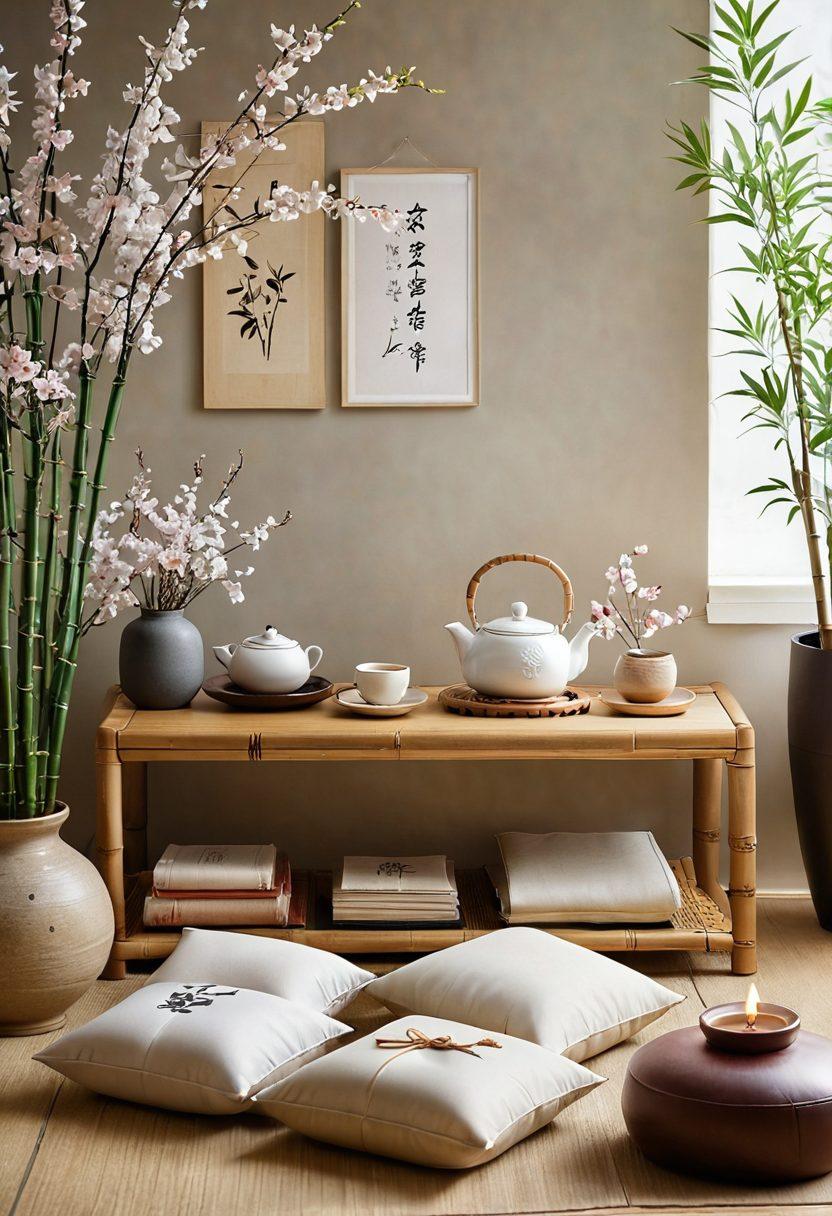
Imagine sitting in a cozy room, the aroma of green tea wafting in from the corner, as you engage in a heartfelt conversation about your well-being. This scene is illustrative of Korean counseling practices that emphasize connection and empathy. Unlike some Western techniques that might lean towards a more clinical approach, psychotherapy in Korea often involves a warm, relational atmosphere. It’s not only about addressing symptoms but about nurturing the soul—integrating all facets of the individual's life. Have you ever wondered how this environment impacts psychological assessments and interventions in Korea?
Quote: "Mental health is not a destination, but a journey. It's an exploration, a commitment to understanding our deeper selves." This quote encapsulates the essence of Korean therapeutic techniques. In Korea, counselors weave together the threads of Asian psychology, community mental health, and cross-cultural psychology. These techniques resonate well within the cultural fabric, fostering a sense of belonging in those seeking psychosocial support. The therapies used often address specific societal pressures, including academic achievement and familial expectations, making them relevant and relatable to individuals undergoing stress. Isn’t it powerful how culture influences therapy?
With a legacy of profound psychological insights, Korean mental health resources are abundant. From individual therapy sessions to community workshops, individuals can access a range of mental health services that cater to diverse needs. The focus on Korean educational psychology enhances this ecosystem, ensuring that support is available even in schools. Are you aware of the rich variety in psychological interventions available, and how they can be adapted for different age groups and situations? The integration of these resources speaks to the comprehensive understanding of mental wellness that characterizes Korean society.
As we explore these effective counseling techniques, let’s not forget the integration of traditional practices. Many Korean therapeutic methods take inspiration from Eastern philosophies, allowing for a holistic approach to psychological wellness. This combination of old and new can be particularly advantageous in today's fast-paced world, where many face the challenges of mental health with varying backgrounds. Ultimately, embracing these diverse approaches to mental health equips individuals with the tools they need to navigate their unique journeys. So, the next time you hear someone mention Korean mental health, think about the dedication to not just survive but to thrive mentally in a vibrant community.
Bridging Cultures: Techniques and Resources for Asian Psychological Wellness
Navigating the realm of mental health can often feel like sailing uncharted waters, especially within the context of diverse cultures. Korean mental health, intertwined with rich traditions, modern psychology, and social influences, offers a unique perspective on psychological wellness. How can we bridge cultures to create effective strategies for mental health? This intriguing question paves the way toward understanding the nuances of Asian psychology and the wealth of resources available for those seeking support. In a world where mental health conversations are gaining momentum, it’s essential to gather insights from Korean counseling practices that connect heritage and healing while addressing the needs of the community.
In Korea, mental health services have seen a gradual evolution, reflecting both the traditional views of stigma and the modern acceptance of psychological wellness. Picture a Korean village, where stories of mental struggles are hushed, yet the community’s heart beats with empathy. The rise of psychotherapy in Korea signifies a shift toward open dialogue, where psychological assessments and helpful interventions facilitate personal growth. With Korean therapeutic techniques gaining recognition, we tap into cultural traditions to foster effective counseling methods. After all, healing often begins with conversations, doesn’t it?
But how exactly do these Korean counseling practices work? Imagine a therapist using a blend of traditional and contemporary methods to guide a client through their mental maze. Techniques rooted in Asian psychology, such as mindfulness and respect for family dynamics, are thoughtfully integrated into therapeutic sessions. These psychological interventions resonate with individuals seeking deeper connections to their heritage while navigating the challenges of modern life. This cross-cultural psychology approach not only enriches the therapeutic experience but also reinforces the importance of community mental health amidst rising individualism.
Moreover, to truly appreciate mental wellness in Korea, one must explore Korean educational psychology, where the seeds of psychological understanding are sown from an early age. Schools are increasingly integrating mental health resources, fostering awareness among children and adolescents. In this setting, teachers and counselors act as beacons of support, guiding students through academic pressures and emotional hardships. What if educational institutions worldwide took a page out of Korea’s book and prioritized psychosocial support? It’s a thought that ignites hope for creating future generations resilient to mental health challenges.
As we delve into the complexities of Korean mental health, we uncover the invaluable lessons and techniques that can enrich global mental health practices. By embracing the expansive landscape of Korean psychological studies, we have the chance to foster a multicultural dialogue around psychological wellness. This journey invites you to explore mental health resources in Korea, where compassion grows, understanding flourishes, and everyone can find their path to healing. So, what can we learn from these practices to cultivate a more supportive and understanding world for future generations?
Navigating Psychological Landscapes: A Look into Korean Counseling Practices and Community Support
When it comes to understanding mental health, the journey can feel like navigating a maze. In the unique context of Korean mental health, this journey is deeply intertwined with cultural nuances, community ties, and an evolving landscape of counseling practices. As we dive into the intricacies of Korean counseling practices and community support, it’s vital to recognize how psychological wellness is not just an individual endeavor, but a collective mission that thrives on empathy, understanding, and shared experiences.
Imagine for a moment standing at a crossroads where tradition meets modernity, especially in the realm of **psychotherapy in Korea**. Here, the influence of **Asian psychology** shines brightly, showcasing methods that draw from both historical practices and contemporary psychological insights. How does one reconcile the wisdom of past generations with the needs of today’s fast-paced society? This question leads us into the rich tapestry of **Korean psychological studies**, which offer various **psychological assessments** designed to cater not just to symptoms, but to the overall context of a person’s life.
A quote often shared among mental health practitioners goes, 'You can’t change the wind, but you can adjust your sails.' This perfectly encapsulates the spirit of **Korean counseling practices**. These practices are not merely about addressing psychological issues but empowering individuals to harness their strengths and redefine their mental landscapes. This approach contributes significantly to the growth of **community mental health** initiatives within Korea, where collective healing is emphasized and interpersonal support is paramount. The community fabric serves as a bedrock for **psychosocial support**, keeping individuals connected, grounded, and resilient.
To truly appreciate the depth of **Korean therapeutic techniques**, one must recognize the emphasis placed on holistic approaches. Art therapy, narrative therapy, and even mindfulness techniques rooted in Confucian values play pivotal roles in treatment settings. What if we approached mental health not just through the lens of illness, but through the lens of flourishing? By considering **psychological interventions** that cater to cultural values, Korean mental health practitioners can foster environments where clients feel understood and valued.
In conclusion, navigating the psychological landscapes of Korean mental health is much more than a search for individual solutions; it's an exploration of how collective healing can transform lives. With a plethora of **mental health resources Korea** offers, from educational programs to community workshops, the emphasis on building resilience and fostering support is evident. So, as we look forward to the future of **Korean educational psychology** and the ever-evolving field of **cross-cultural psychology**, let us embrace these practices that honor our past while paving the way for psychological wellness that resonates with the heart of the community.